
close
Choose Your Site
Global
Social Media
Views: 0 Author: Site Editor Publish Time: 2026-11-05 Origin: Site
In the fields of high-end equipment manufacturing such as chemical industry, shipbuilding, electric power, rail transit, and new energy, ordinary carbon steel and stainless steel fasteners often have difficulty meeting the composite requirements of electrical conductivity, thermal conductivity, corrosion resistance, non-magnetism, and fatigue resistance. Copper and copper alloys, especially various bronze alloys, have become irreplaceable core materials in engineering design. DECOPPER has been deeply involved in copper alloy fasteners for more than 20 years, providing standardized and customized bronze fastening solutions to customers around the world.
While steel can satisfy basic mechanical fastening needs, many operating conditions impose functional requirements on connecting components—and this is precisely where copper alloys offer unique value:
1. Excellent Electrical and Thermal Conductivity: Copper is an outstanding conductor, second only to silver. Pure copper, phosphor bronze, and silicon bronze provide stable electrical conduction and rapid heat transfer. They are ideal for busbars, grounding systems, heat exchangers, and electrical connections, helping to prevent issues such as excessive contact resistance and damage caused by overheating.
2. Long-term Corrosion Resistance for Harsh Environments: In environments such as seawater, chloride-rich conditions, humid atmospheres, or areas with mild acids and alkalis, silicon bronze and aluminum bronze form a stable passivation layer. This provides superior resistance to rust and stress-corrosion cracking—outperforming standard stainless steel—and significantly reduces maintenance and replacement costs for equipment used in marine, coastal, or chemical processing applications.
3. Non-magnetic and Low Sparking Risk: These materials are well-suited for electromagnetically sensitive equipment, explosion-proof chemical applications, and signal-detection devices. They do not interfere with magnetic fields and help minimize the risk of sparks generated by friction.
4. Elasticity and Fatigue Resistance: Phosphor bronze possesses inherent elasticity, ensuring that components remain secure even under conditions involving repeated vibration or frequent insertion and removal. This makes it an excellent choice for connectors and elastic locking components.
5. High Processability and Recyclability: With excellent ductility, these materials support precision forming processes such as cold heading, thread rolling, and turning. Furthermore, they are environmentally friendly, recyclable metals, making them a sustainable choice that aligns with long-term ecological requirements.
Naturally, copper alloys have their limitations: their tensile strength is lower than that of high-strength steel, and they come at a higher cost. Consequently, engineers must select the appropriate material based on specific operating conditions—and this is precisely where the value of DECOPPER’s technical services lies.
Marine and Offshore Engineering: Components such as hull fittings, deck hardware, subsea valves, offshore platform structures, and seawater piping systems are frequently exposed to salt spray and immersion in seawater; silicon bronze is the industry-standard material for these applications.
Chemical Processing and Water Treatment Equipment: Used in distillation vessels, vacuum equipment, valves, and wastewater treatment systems, silicon bronze offers resistance to mildly corrosive media and prevents threaded components from seizing due to rust.
Power, New Energy, and Electrical Equipment: Employed in busbars, grounding systems, switchgear, connectors, photovoltaic energy storage, and conductive connections for wind power infrastructure, ensuring a continuous and stable flow of current.
Rail Transit and Signaling Systems: Utilized in signaling components, onboard electrical systems, and grounding connectors; the material is non-magnetic, vibration-resistant, and ensures long-term operational stability.
Machinery, Automotive, and Heat Exchange Equipment: Used in engine cooling components, heat exchangers, and wear-resistant valve assemblies, providing an optimal balance of thermal conductivity and wear resistance.
Outdoor Architecture and Coastal Landscape Projects: Applied in curtain walls and exposed structural steel connections, offering both corrosion resistance and long-term aesthetic stability.
Advantages: Resistant to seawater corrosion and stress corrosion; weldable. An ideal choice for marine, coastal, and chemical industry applications.
Products: Hex bolts, socket head cap screws, countersunk screws, hex nuts, flat washers, spring washers, and fully threaded studs.

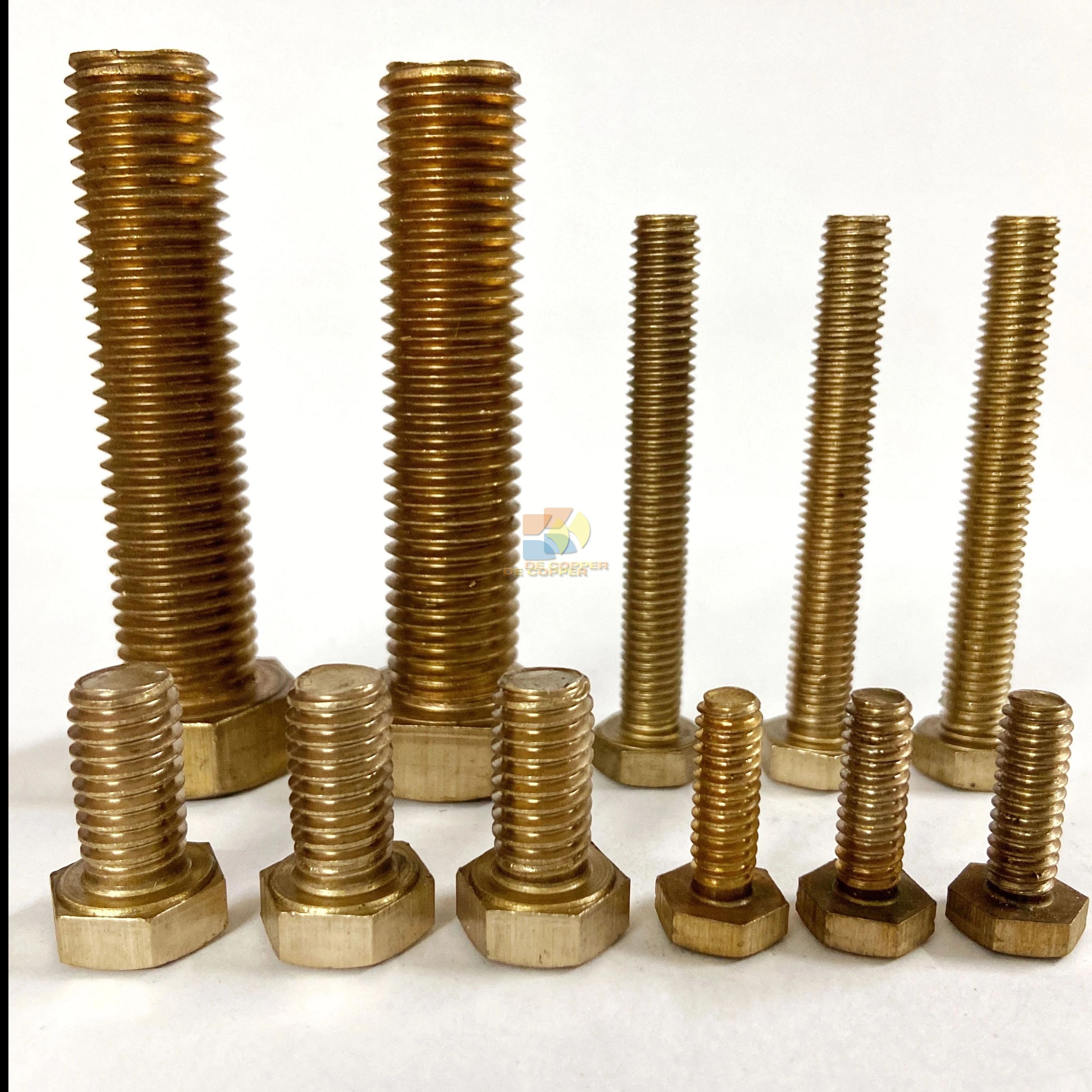

Advantages: High strength, wear resistance, and erosion resistance; suitable for heavy-duty valves, pump casings, and high-wear operating conditions.

Advantages: Excellent elasticity, high fatigue resistance, and stable electrical conductivity. Used for applications such as elastic lock nuts, conductive terminals, and spring washers.
Advantages: Excellent sealing properties and wear resistance; used for pumps, valves, and pressure-sealing components.
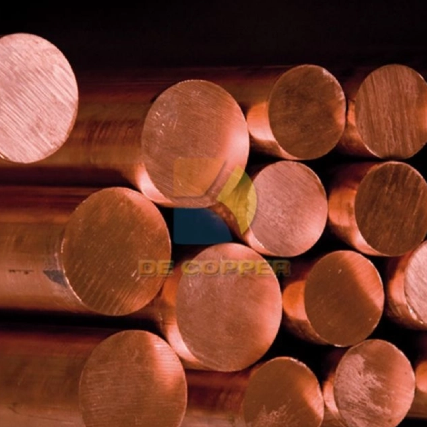
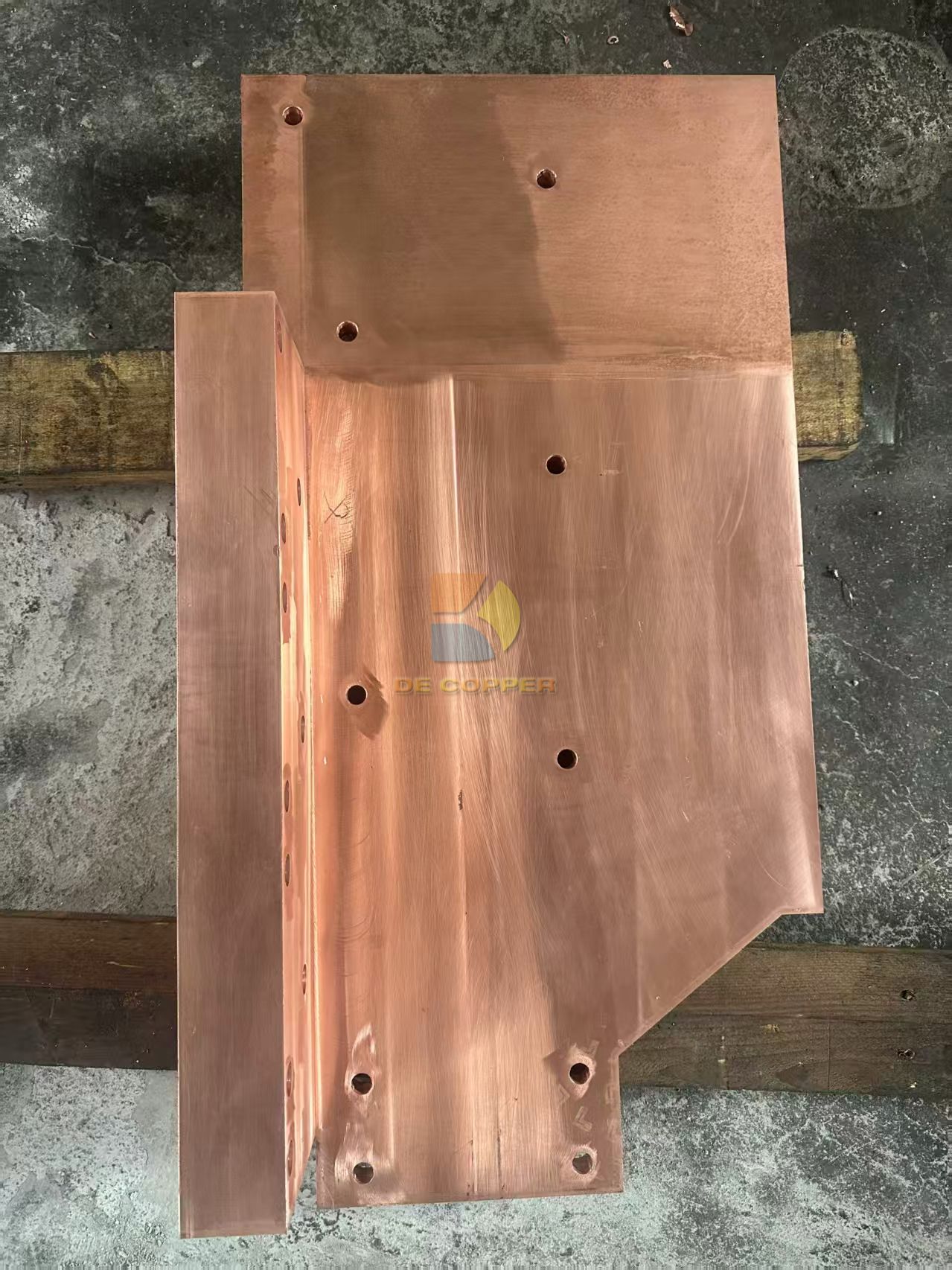
Advantages: Exceptional electrical and thermal conductivity; ideal for high-current busbars and heat-conducting components.
Advantages: Corrosion resistance + aesthetic appeal; used for precision instruments and high-precision outdoor components.

We operate our own cold-heading, thread-rolling, and precision-machining workshops, managing the entire production process—from raw copper rods and wires to finished fasteners. As a direct manufacturer rather than a trading intermediary, we ensure full traceability of material batches and a stable supply. With a monthly capacity exceeding 12.5 million units, we cater to everything from small-batch sampling to large-scale international orders.
We provide material certification for every batch of raw materials and conduct 100% inspection of finished products before shipment. We support third-party testing (such as SGS, salt spray, and mechanical testing). We strictly prevent material mixing or the substitution of inferior alloys—eliminating common industry issues, such as mislabeling bronze as brass.
Many clients know they need copper but may not distinguish between silicon bronze, phosphor bronze, and aluminum bronze. Our engineers provide expert guidance—analyzing factors like the operating environment, temperature, salt-spray exposure, and electrical requirements—to recommend the ideal material and torque specifications. This helps prevent issues such as galvanic corrosion, fastener breakage, or galling (seizing).
We maintain a large inventory of standard-specification products. We also specialize in developing non-standard, custom-shaped parts, unique thread profiles, and specialized surface passivation treatments, serving both domestic projects and international exports.
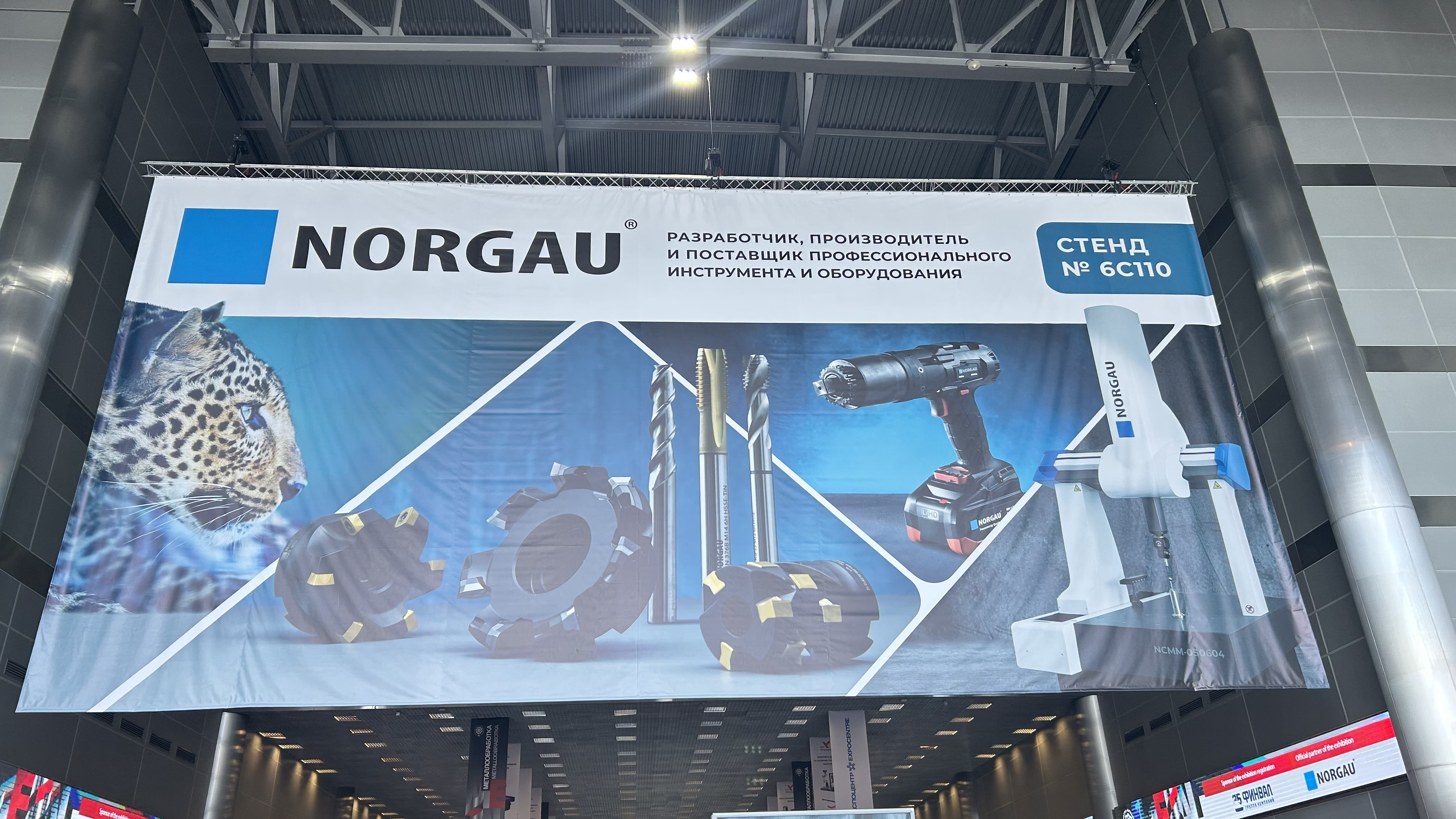
We are regular participants in international industrial exhibitions, such as Russia’s METALLOOBRABOTKA. Having served over 500 projects worldwide, we are well-versed in cross-border order fulfillment, specialized packaging, and documentation requirements. We are also fully prepared to accommodate factory audits for your projects.



An overseas client in the marine equipment sector previously used 316 stainless steel bolts, which would rust and seize at the threads after 1–2 years in a seawater environment, making disassembly difficult. By switching to DECOPPER silicon bronze bolts and nuts, the components passed salt-spray testing and remained in service for years without the need for replacement, significantly reducing downtime and maintenance costs.
A domestic chemical equipment manufacturer required fasteners for a mildly corrosive environment inside a distillation vessel that offered both electrical conductivity and rust resistance. We recommended silicon bronze fasteners, paired with washers of the same material, to prevent galvanic corrosion caused by dissimilar metals, thereby ensuring the equipment’s long-term, continuous operation.
A manufacturer of signaling equipment required components that were non-magnetic, provided stable electrical conductivity, and were resistant to loosening from vibration. Phosphor bronze lock nuts were selected; they passed fatigue testing and successfully supported the long-term, stable operation of the signaling equipment.

A: Yes, they can. Silicon bronze has a relatively stable electrochemical potential; when it comes into direct contact with aluminum or zinc in seawater or humid, electrolytic environments, it accelerates the corrosion of the dissimilar metals. DECOPPER provides matching insulation gaskets and sealing solutions, along with professional guidance on isolation—a critical detail often overlooked by many other suppliers.
A: Bronze has a lower tensile strength than high-strength steel, so torque specifications for carbon steel cannot be applied indiscriminately. We provide recommended torque values tailored to the specific material; when used with the appropriate tools, this prevents overloading and fracturing. For heavy-duty applications, we recommend using aluminum bronze.
A: We keep standard parts in stock and can ship samples promptly. For custom, non-standard parts, production is scheduled based on complexity. We apply the same rigorous quality inspection standards to both large and small orders.
A: Yes. Every shipment includes a material certificate, and we can also arrange for third-party testing upon request.


