
close
Choose Your Site
Global
Social Media
Views: 0 Author: Site Editor Publish Time: 2026-10-31 Origin: Site
In high-end industrial sectors—such as petrochemicals, power and electrical systems, marine and shipbuilding, and precision instrumentation—standard carbon steel or stainless steel bolts often present three major challenges: unstable electrical grounding, magnetic interference with sensitive equipment, and the risk of sparks—caused by impact or friction—igniting flammable or explosive substances. Silicon bronze bolts, thanks to an alloy composition that provides **high electrical conductivity, non-magnetic properties, and spark resistance**, have become the standard specialized fastener solution for environments requiring explosion-proof, anti-magnetic, or conductive connections. They are a key copper-alloy fastener product prioritized by engineers, equipment manufacturers, and project contractors.
Silicon bronze (notably grades C65100, C65500, and QSi3-1) is a copper-silicon alloy based on copper, with the addition of silicon and a small amount of manganese. It contains no ferromagnetic components; its inherent physical properties distinguish it from conventional steel fasteners. Below, we examine each of these three core characteristics in detail.
Silicon bronze possesses stable electrical and thermal conductivity, with an electrical conductivity of approximately 7%–12% IACS. While lower than that of pure copper, it is significantly higher than that of stainless steel or carbon steel, making it an excellent choice for fasteners used in grounding and equipotential bonding applications.
Steel bolts exhibit high electrical resistance; under high-current conditions, connection points can accumulate heat, leading to oxidation, loosening, and poor contact—all of which pose electrical safety risks. In contrast, silicon bronze bolts maintain a continuous conductive path after tightening, distributing contact resistance and mitigating localized overheating.
In applications such as grounding busbars in power distribution cabinets, grounding components for wind turbines, seawater desalination equipment, grounding nodes in rail transit systems, and explosion-proof electrical enclosures, silicon bronze bolts serve a dual purpose: they provide the necessary mechanical fastening while simultaneously ensuring electrical connectivity. This integrated approach simplifies system design by allowing a single set of fasteners to handle both structural and electrical requirements. Furthermore, their thermal conductivity aids in heat dissipation, enhancing the long-term operational stability of electrical connection points.
Silicon bronze alloys contain no ferromagnetic phases and possess extremely low magnetic permeability, classifying them as completely non-magnetic materials. They are not attracted to magnets and do not cause magnetic field distortion or interference with magnetic signals.
Many types of precision equipment—such as components for MRI systems, marine compasses and navigation instruments, underwater detection sensors, precision measurement and control instruments, and magnetic testing fixtures—are highly sensitive to magnetic fields. The use of standard stainless steel (some austenitic stainless steels exhibit weak magnetism) or carbon steel bolts can lead to instrument reading drift, positioning errors, or testing failures, directly compromising equipment accuracy.
Silicon bronze bolts do not introduce external magnetic fields upon assembly, ensuring signal integrity for sensors, navigation systems, and medical MRI equipment. Consequently, they serve as the standard fastener choice for the maritime, laboratory, medical equipment, and precision measurement and control sectors.
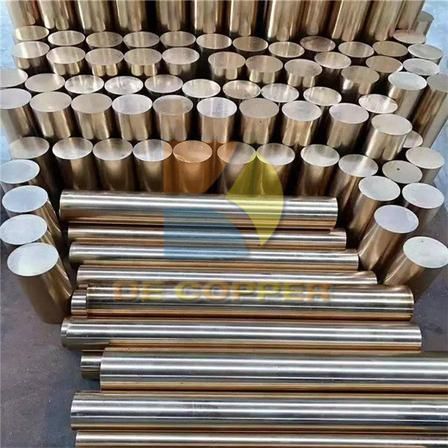
The "non-sparking" property is the most critical safety feature of silicon bronze in explosion-proof applications. The alloy’s composition inherently prevents the generation of sparks upon impact; consequently, even when bolts are subjected to strikes, friction, or forceful tightening with a wrench, they do not produce high-temperature sparks—thereby meeting the stringent safety requirements for environments prone to fire or explosion.
In settings such as oil refineries, gas transmission facilities, chemical storage tanks, underground coal mines, paint workshops, and areas with combustible dust, the atmosphere may contain flammable gases, volatile solvents, or combustible particulates. In these environments, the use of steel fasteners poses a significant risk, as any impact or friction can easily generate sparks and trigger an explosion. Silicon bronze bolts, serving as explosion-proof fasteners, eliminate potential ignition sources at the very point of fastening. They are ideally suited for the assembly of equipment, valves, pipelines, and pumps in hazardous zones, ensuring compliance with safety standards for high-risk operational environments.
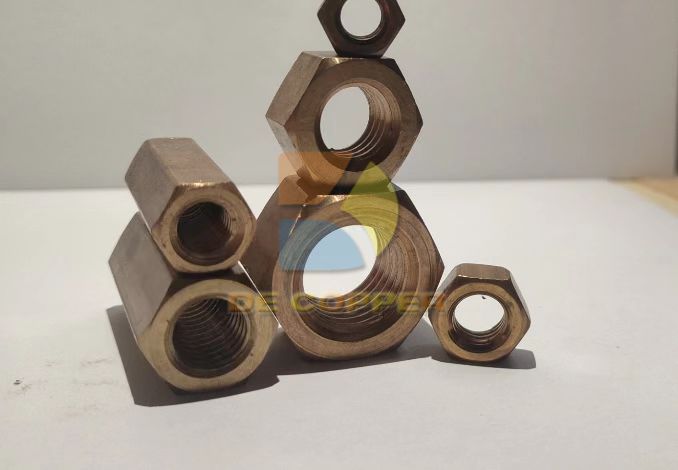
1. Excellent Corrosion Resistance: Highly resistant to corrosion from seawater (salt spray), industrial atmospheres, and mildly acidic media; ideal for long-term use in marine vessels, offshore platforms, and coastal equipment, where it prevents rusting and seizing.
2. Anti-Galling and Anti-Seizing Properties: The self-lubricating nature of the copper-silicon alloy prevents threads from seizing or galling during repeated assembly and disassembly, simplifying maintenance and removal.
3. Balanced Mechanical Strength: Offers sufficient tensile and shear strength—achieved through cold-heading—to support structural fastening under moderate loads, serving as a viable alternative to certain steel fasteners.
4. Mature Manufacturing Process: Suitable for the mass production of various components, including hex bolts, socket head cap screws, countersunk screws, stud bolts, and matching nuts and washers; available in both standard specifications and custom, non-standard configurations.
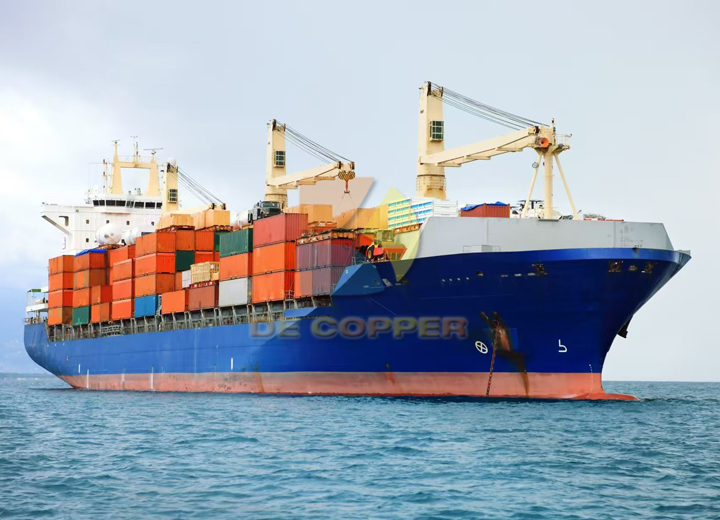
Oil, Gas, and Chemical Industry: Explosion-proof valves, pipe flanges, and fasteners for storage tanks;
Power and Electrical: Grounding bars, explosion-proof enclosures, and equipotential bonding for power transmission and distribution equipment;
Marine and Offshore Engineering: Navigation instruments, deck equipment, and anti-corrosive, non-magnetic fasteners for offshore platforms;
Precision Equipment: Components for MRI systems, sensors, testing instruments, and laboratory equipment;
Explosion-proof Engineering: Equipment assembly for dust-prone production areas, gas stations, and explosion-hazardous sections in pharmaceutical manufacturing.
When a project requires electrical grounding, resistance to magnetic interference, or explosion-proof and fire-safe properties—whether individually or in combination—silicon bronze bolts serve as a highly cost-effective specialized fastening solution. Compared to beryllium bronze, silicon bronze is more affordable and offers greater stability during machining; compared to standard stainless steel, it provides a unique trifecta of physical properties: electrical conductivity, non-magnetic characteristics, and spark resistance.
In contexts such as specifying materials for engineering drawings, outfitting explosion-proof equipment, selecting components for the bills of materials (BOM) of export-bound machinery, or designing maritime equipment, it is essential to clearly define the alloy grade (e.g., C65100 or C65500), mechanical hardness, and surface passivation requirements. Doing so helps mitigate safety and quality risks—such as those arising from the use of incorrect materials or components that fail to meet performance standards.


