
close
Choose Your Site
Global
Social Media
Views: 97 Author: Site Editor Publish Time: 2025-12-22 Origin: Site
In the world of wire materials, copper and its alloys are two of the most commonly used metals, each offering distinct advantages for various applications. When it comes to choosing between phosphor bronze wire and copper wire, the decision depends on several key factors including electrical conductivity, mechanical strength, corrosion resistance, and cost-effectiveness.
Copper is one of the most widely used materials in the world due to its excellent electrical conductivity, high thermal conductivity, and malleability. Copper wire, in particular, is commonly used in a variety of electrical applications, ranging from household wiring to large-scale industrial machinery. Let's break down its key properties and applications.
Copper is an excellent conductor of electricity, second only to silver. Its superior conductivity is one of the primary reasons it is used in electrical systems worldwide. Copper wire allows for the efficient flow of current with minimal energy loss, which is critical in industries that require reliable and high-performance power transmission. Whether for residential wiring, industrial power grids, or high-speed data communication, copper's low resistance ensures that electrical systems are both efficient and cost-effective. It is also widely used in the construction of electric motors, transformers, and other electrical machinery.
Copper is highly malleable and ductile, which means it can be easily bent, shaped, or stretched without breaking. This characteristic allows copper wire to be drawn into very thin strands, which is essential for the production of cables and wiring. Its malleability also makes it ideal for use in a variety of shapes and sizes, catering to the needs of industries ranging from electrical to telecommunications.
Although copper naturally develops a protective greenish patina (copper oxide) over time, it still remains susceptible to corrosion, particularly in environments with high moisture, acidic conditions, or exposure to salts. Despite this, copper's corrosion resistance is generally better than many other metals, which makes it particularly useful in electrical and plumbing applications.
Copper is relatively abundant compared to precious metals like silver and gold, making it a more cost-effective material for large-scale use. Its availability and low cost, combined with its high performance, make copper an ideal choice for industries where both cost and efficiency are crucial factors.
Copper wire is widely used in various industries due to its excellent properties:
Electrical Wiring: Copper is the go-to material for wiring in homes, businesses, and industrial settings. It is used for both power supply and control systems due to its high conductivity and flexibility. From residential electrical circuits to large-scale industrial wiring, copper ensures safety and efficiency.
Power Generation and Distribution: Copper wires are used in power transmission lines, transformers, and generators. Its superior conductivity allows electricity to be transmitted over long distances with minimal energy loss, making it a key material in power generation systems.
Electronics: Copper is used extensively in the manufacturing of circuit boards, connectors, and other components in electronic devices such as smartphones, computers, and appliances. The material's ability to conduct electricity with low resistance makes it essential for high-performance electronics.
Telecommunications: Copper cables are commonly used in telephone lines and network data transmission. Even though fiber optics are gaining popularity, copper still plays a significant role in telecommunications, especially for legacy systems and short-range communications.
Phosphor bronze is an alloy made primarily of copper, tin, and phosphorus. The addition of phosphorus provides phosphor bronze with unique properties that make it an attractive choice for specific applications, particularly where durability, wear resistance, and strength are essential. Let's look at the key properties of phosphor bronze wire.
Increased Strength and Hardness: One of the most significant advantages of phosphor bronze is its increased strength compared to pure copper. The addition of tin and phosphorus makes the alloy harder and more durable, which is ideal for applications where mechanical strength and wear resistance are critical.
Excellent Corrosion Resistance: Phosphor bronze has superior resistance to corrosion, especially in marine and high-moisture environments. This makes it a popular choice for applications in humid or saltwater conditions, where copper would degrade more quickly.
Good Electrical Conductivity: Although phosphor bronze does not have the same level of electrical conductivity as pure copper, it still offers decent performance in electrical applications. Its conductivity is often sufficient for applications that require durability and mechanical strength over maximum electrical efficiency.
Enhanced Fatigue Resistance: Phosphor bronze has excellent fatigue resistance, making it suitable for applications where the material is subject to repeated stress or vibrations.
Formability: Phosphor bronze wire can be drawn into thin wires, similar to copper, and is also suitable for stamping and forming into components.
Phosphor bronze wire is used in a variety of specialized applications, including:
Spring Manufacturing: Phosphor bronze is commonly used in the production of springs due to its high tensile strength and excellent fatigue resistance.
Electrical Contacts: Due to its good conductivity and resistance to corrosion, phosphor bronze is often used in electrical contacts, connectors, and other components in electronic devices.
Marine Applications: The alloy's resistance to corrosion in salty or humid environments makes it ideal for marine applications, such as shipbuilding, underwater cables, and maritime equipment.
Instrumentation: Phosphor bronze is used in delicate and high-precision instruments where both strength and conductivity are required, such as gauges, meters, and measuring equipment.
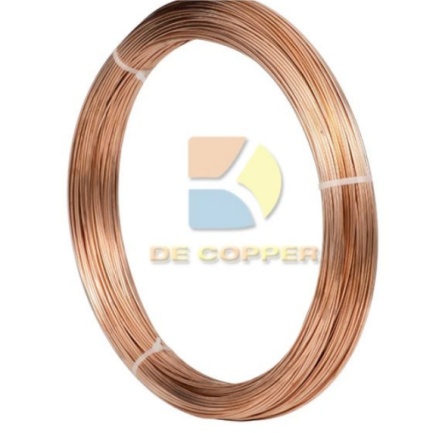
Now that we have an understanding of both materials, let's compare phosphor bronze wire and copper wire across key factors to help you determine which one is the best fit for your application.
Copper Wire: Copper has the highest electrical conductivity of any metal except silver, which makes it the ideal choice for applications where the efficient transmission of electricity is the top priority. Copper wires are the standard choice for power cables, circuit boards, and electrical transmission systems.
Phosphor Bronze Wire: While phosphor bronze has decent electrical conductivity, it does not match copper's performance. Phosphor bronze is better suited for applications where conductivity is important but not the sole factor. It is often used in components like electrical contacts, where a combination of strength and conductivity is needed.
Copper Wire: Copper is relatively soft and can be prone to wear and damage under mechanical stress. While it is ductile and easy to work with, it may not be the best option for high-stress environments or applications that require durability.
Phosphor Bronze Wire: Phosphor bronze is significantly stronger and more durable than pure copper. It is highly resistant to wear, fatigue, and mechanical stress, making it ideal for applications like springs, electrical contacts, and marine environments.
Copper Wire: Copper is susceptible to corrosion, especially when exposed to moisture or corrosive environments. Over time, copper will develop a greenish patina, which helps protect the material from further corrosion but does not prevent it entirely.
Phosphor Bronze Wire: Phosphor bronze is much more resistant to corrosion than copper, particularly in saltwater and high-humidity environments. Its enhanced resistance makes it a better choice for outdoor and marine applications.
Copper Wire: Copper is relatively inexpensive compared to other metals like gold or silver. Its cost-effectiveness is one of the reasons why copper is the most widely used metal in the electrical industry.
Phosphor Bronze Wire: Phosphor bronze tends to be more expensive than pure copper, largely due to the cost of the additional elements (tin and phosphorus) required to produce the alloy. However, its superior strength and corrosion resistance may justify the additional cost in certain applications.
Copper Wire: Copper is the go-to material for most electrical wiring applications, including power transmission, household wiring, and industrial electrical systems. It is also used in electronic devices, where its high conductivity is crucial for performance.
Phosphor Bronze Wire: Phosphor bronze is used in applications where strength, corrosion resistance, and fatigue resistance are critical. It is commonly used in spring manufacturing, electrical contacts, and marine applications.
Both phosphor bronze wire and copper wire are versatile materials with a wide range of applications. Copper wire excels in electrical conductivity and is a cost-effective solution for most electrical applications. On the other hand, phosphor bronze wire offers superior mechanical strength, corrosion resistance, and durability, making it ideal for applications where these qualities are paramount. By understanding the unique properties of each material, you can make an informed decision about which wire to choose for your specific needs.
If you're in the market for high-quality wire solutions that meet your needs for durability, performance, and cost-effectiveness, you might consider reaching out to DECOPPER. They offer a range of wire products, including copper and phosphor bronze wires, and can help you select the right material for your specific application.


